


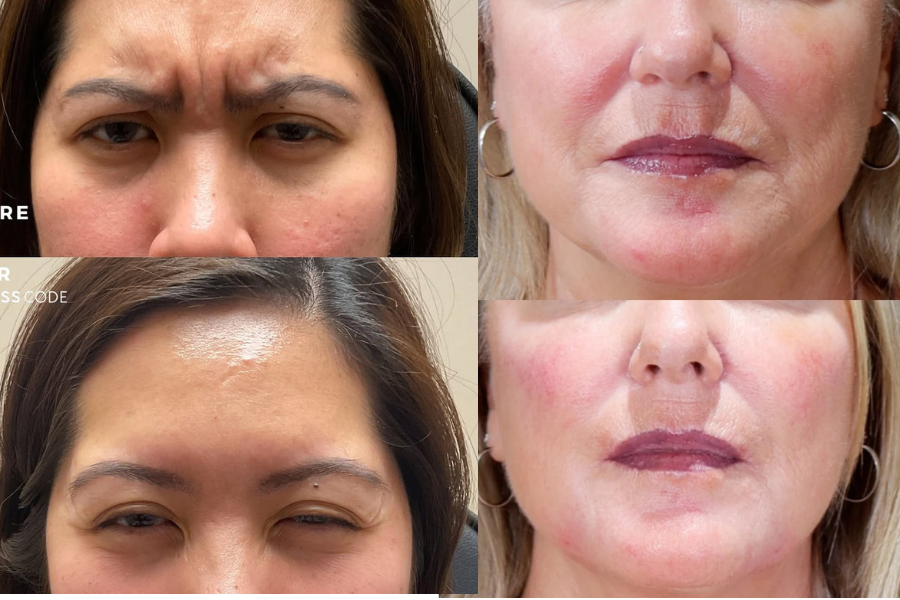
Botox and Sculptra are popular treatments that help improve the appearance of facial wrinkles. However, they work in different ways. Botox relaxes certain muscles, while Sculptra helps your body produce more collagen.
Which works better, Botox or Sculptra? The answer depends on your goals, facial features, and treatment needs. Botox may be a good choice for wrinkles caused by repeated facial movements. Sculptra may help improve facial volume and skin firmness over time.
Understanding Botox and Sculptra
Botox and Sculptra are injectable treatments, but they work differently. Botox reduces muscle activity to soften certain expression lines. Sculptra stimulates collagen production to help improve facial volume and skin appearance. Both treatments require injections from a qualified medical professional.
What Is Botox?
Botox Cosmetic is an injectable treatment that helps reduce certain facial wrinkles. It is FDA approved for forehead lines, frown lines between the eyebrows, and crow’s feet around the eyes. It also has an approved use for certain neck bands.
Botox works by blocking nerve signals to specific muscles. This helps the muscles relax and makes expression lines less noticeable. Some people notice results within a few days, but full results may take up to 2 weeks.
Botox can help adults reduce wrinkles caused by repeated facial movements. A qualified provider can help you decide if Botox is right for you. Learn more on the official Botox Cosmetic website. You can also read the FDA approved Botox Cosmetic safety information.
What Is Sculptra?
Sculptra is an injectable treatment that helps your body produce more collagen. Collagen is a protein that supports your skin’s structure and firmness. As collagen levels change with age, your skin may lose some volume and smoothness.
Sculptra contains poly-L-lactic acid (PLLA). It helps your body make more collagen over time. This can gradually improve facial volume and soften certain lines and wrinkles. Unlike Botox, Sculptra does not relax facial muscles.
Results may begin to appear within a few weeks. Improvement continues over time, and results may last up to two years. Your treatment plan and individual response can affect the results.
Sculptra can help adults improve facial volume and skin appearance over time. A qualified provider can help you decide if Sculptra is right for you. Learn more on the sculptra usa. You can also read the fda.gov.
How Each Injectable Works
Botox and Sculptra work in different ways. Botox blocks nerve signals to certain muscles. This reduces muscle movement and softens wrinkles caused by repeated expressions.
Sculptra works by stimulating your body’s natural collagen production. This process takes time, so results develop gradually. It may help restore facial volume and improve the appearance of certain wrinkles.
Neither treatment is right for every concern. Botox focuses on muscle movement, while Sculptra focuses on gradual collagen-related improvements. Your provider can help you choose based on your goals.
Comparing Effectiveness and Results
Botox and Sculptra can both improve the appearance of facial aging. However, they have different treatment goals and timelines. Understanding these differences can help you choose an option that suits your needs.
Speed of Results
Botox may begin working within a few days. Some people notice changes sooner, while full results may take up to two weeks.
Sculptra works slowly. It helps your body make more collagen. You may notice changes within a few weeks. Results can continue to improve over the next few months.
If you want to soften expression lines quickly, Botox may be worth discussing. If you prefer gradual changes in facial volume, Sculptra may be another option.
How Long Results Last
Botox results usually last around three to four months. However, results vary depending on the treatment area, muscle activity, and individual response.
Sculptra results may last up to two years. The duration depends on your treatment plan and how your body responds. Multiple sessions may be recommended to achieve the desired outcome. Both treatments may require follow-up visits. Your provider can recommend a suitable schedule based on your goals and results.
Areas Treated
Botox Cosmetic is FDA approved to treat forehead lines, frown lines between the eyebrows, and crow’s feet. It can also treat certain neck bands.
Sculptra is FDA approved for certain facial wrinkles and folds. Your provider can explain which areas it can treat and whether it is right for you.
The best choice depends on the concern you want to address. Botox targets muscle-related wrinkles, while Sculptra helps improve facial volume and collagen-related changes.
|
Feature |
Botox Cosmetic |
Sculptra |
|---|---|---|
|
How It Works |
Relaxes certain facial muscles |
Stimulates collagen production |
|
Speed of Results |
Results develop over several days |
Results develop gradually over weeks and months |
|
How Long Results Last |
Usually 3 to 4 months |
May last up to 2 years |
|
Main Treatment Goals |
Softens expression lines |
Helps improve facial volume and certain wrinkles |
|
Estimated US Cost |
Around $300 to $600 per treatment |
Around $800 to $1,200 per vial |
|
Best For |
People who want to soften muscle-related wrinkles |
People who want gradual improvements in facial volume |
These prices are rough estimates, not Wellness Code’s actual prices. Sculptra treatment may require multiple vials or sessions. Total costs vary by provider, treatment area, and treatment plan.
Side Effects and Safety Considerations
Botox and Sculptra are widely used aesthetic treatments, but both can cause side effects. Understanding the risks can help you make an informed decision. Always discuss your medical history with a qualified provider before treatment.
Common Side Effects
Botox may cause redness, swelling, bruising, or soreness at the injection site. Some people may also experience headaches or temporary eyelid drooping.
Sculptra may cause swelling, redness, tenderness, bruising, or pain at the injection site. Small lumps or bumps may also develop under the skin. Some side effects may appear later rather than immediately after treatment.
Rarely, Botox can cause serious problems, including trouble swallowing, speaking, or breathing. Seek immediate medical care if these symptoms occur.
Safety for Different Skin Types
People with different skin tones may be suitable candidates for Botox or Sculptra. However, individual health conditions and skin concerns still matter.
Both treatments can cause temporary redness or bruising. Sculptra may also cause small lumps under the skin. Tell your provider about any skin infections, allergies, or other concerns before treatment.
Your provider should review your medical history and current medicines. This helps them assess possible risks and decide whether treatment is appropriate.
Who Is a Good Candidate?
Adults who want to reduce signs of facial aging may be suitable for these treatments. Botox can help soften wrinkles caused by repeated facial movements. Sculptra can help improve facial volume and certain wrinkles over time. However, both treatments are not right for everyone. Tell your provider about any allergies, medical conditions, or past reactions to injectables. Also, discuss pregnancy or breastfeeding before treatment.
Conclusion
Botox and Sculptra can both help improve the appearance of facial aging, but they work differently. Botox relaxes certain muscles to soften expression lines. Sculptra stimulates collagen production to support gradual improvements in facial volume and skin appearance.
Botox results usually last around three to four months. Sculptra results may last up to two years. Your ideal choice depends on your goals, facial features, medical history, and budget.
Ready to learn more about your options? Contact Wellness Code in Dallas, TX to discuss your aesthetic goals. Our team can help you explore available treatments and plan your next steps.