


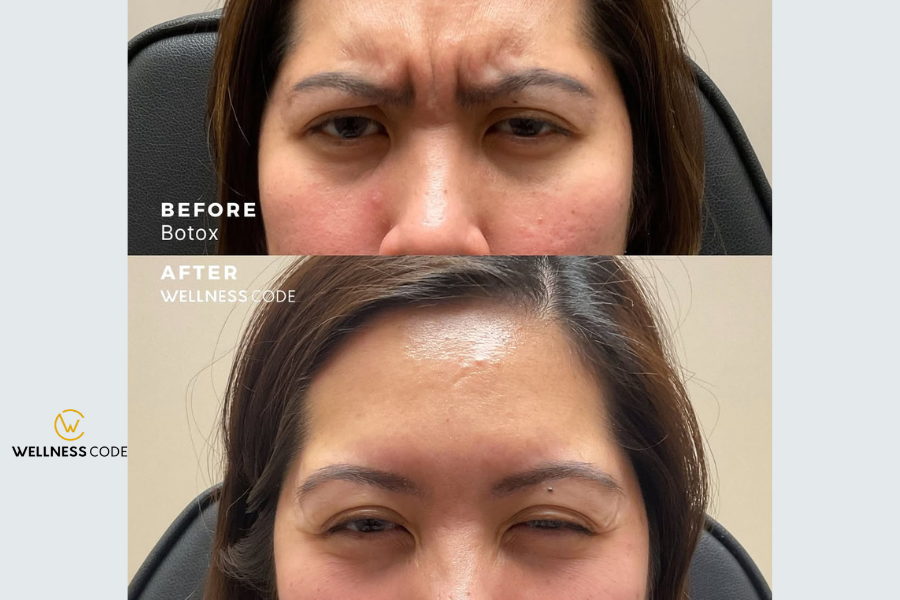
How many Botox units are in a syringe? Many people assume Botox is measured by the syringe, similar to dermal fillers. However, Botox works differently. The syringe is simply a tool used to inject the medication—the most important measurement is the number of Botox units being administered.
The number of units you need depends on several factors, including your treatment area, muscle strength, facial anatomy, and cosmetic goals. Some patients achieve excellent results with just a few units, while others require more to create balanced, natural-looking results.
Quick Answer
The simple answer is:
There is no fixed number of Botox units in a syringe.
Botox Cosmetic is supplied in a vial—not a pre-filled syringe. Before treatment, your provider mixes the Botox powder with sterile saline. The amount of Botox inside a syringe depends on the dilution method and how much solution is drawn into the syringe.
Most providers use a 100-unit Botox vial, then divide those units into multiple syringes based on each patient’s personalized treatment plan.
What Is a Botox Unit?
A Botox unit is a measurement of the medication’s strength or biological activity. It is not a measurement of liquid volume.
Think of it like prescription medication.
When you take medicine, you measure it in milligrams (mg) rather than by the size of the bottle. Botox works the same way. The manufacturer measures Botox in units, allowing providers to administer the precise amount needed for each treatment area.
Because every facial muscle is different, Botox treatments are always planned using units instead of syringe size.
Does Botox Come in a Syringe?
No. This is one of the most common misconceptions about Botox.
Botox Cosmetic is supplied as a sterile powder inside a glass vial. Before your treatment, your provider mixes the powder with sterile saline through a process called reconstitution.
Once mixed, the Botox solution is drawn into small syringes for injection.
Since providers may use different dilution methods, the amount of liquid inside each syringe can vary. That’s why there is no universal number of Botox units in every syringe.
How Many Botox Units Are in a Vial?
Botox Cosmetic is commonly available in two vial sizes:
| Botox Vial | Number of Units |
| Small Vial | 50 Units |
| Standard Vial | 100 Units |
The 100-unit vial is the most commonly used option for cosmetic Botox treatments.
Since every patient requires a different number of units, one vial can often be used to treat multiple patients. Most medical spas charge for Botox per unit, rather than per vial.
How Many Botox Units Are in a Syringe?
This is where many patients become confused. There is no standard answer because Botox is diluted before injection.
A common dilution method uses:
- 100 Units of Botox
- 2.5 mL of Sterile Saline
With this dilution, the approximate Botox concentration is:
| Syringe Amount | Botox Units |
| 0.05 mL | 2 Units |
| 0.10 mL | 4 Units |
| 0.25 mL | 10 Units |
| 0.50 mL | 20 Units |
| 1.00 mL | 40 Units |
These numbers are only examples. Different providers may use slightly different dilution techniques based on their training and treatment preferences.
What matters most is that your injector knows exactly how many units are being administered.
Why Botox Is Measured in Units Instead of Syringes
Imagine two providers using identical syringes.
One provider mixes Botox with more saline.
The other uses less.
Although both syringes may appear identical, they can contain completely different amounts of Botox.
That’s why experienced injectors never determine Botox dosage by syringe size. Instead, they calculate the exact number of units needed for each treatment area.
For example:
- One patient may need 20 units for forehead lines.
- Another may need only 14 units.
- Someone with stronger facial muscles may require 24 units.
The syringe simply delivers the medication—the units determine the treatment.
Typical Botox Units by Treatment Area
Although every patient is different, these are common Botox dosage ranges:
| Treatment Area | Typical Botox Units |
| Forehead Lines | 10–20 Units |
| Frown Lines (11s) | Around 20 Units |
| Crow’s Feet | 12–24 Units |
| Bunny Lines | 4–10 Units |
| Lip Flip | 4–8 Units |
| Chin | 4–8 Units |
| Downturned Mouth | 4–8 Units |
| Masseter (Jawline) | 20–40 Units per Side |
| Neck Bands | 25–50 Units |
These ranges are general guidelines only. Your provider will recommend the ideal dosage after evaluating your facial muscles and discussing your aesthetic goals.
What Determines How Many Botox Units You Need?
Every face is unique, which is why Botox treatments should always be personalized.
Several factors influence the number of units recommended.
Facial Muscle Strength
Patients with stronger facial muscles often require more Botox.
Treatment Area
Larger muscles generally need more units than smaller muscles.
Age
Deeper wrinkles and mature skin may require additional units.
Cosmetic Goals
Some patients want subtle movement, while others prefer smoother skin with minimal muscle activity.
Previous Botox Treatments
Your provider may adjust your dosage based on how you responded to previous treatments.
Injector Experience
An experienced provider focuses on facial balance and natural-looking results rather than simply using more Botox.
How Much Does Botox Cost?
Most medical spas charge per Botox unit instead of charging by the syringe.
In the United States, Botox typically costs between $10 and $20 per unit, depending on:
- Your location
- Provider experience
- Treatment area
- Number of units required
For example, if your treatment requires 20 units and your provider charges $14 per unit, your total cost would be approximately $280.
Does More Botox Mean Better Results?
Not necessarily. One of the biggest Botox myths is that more units automatically produce better results.
In reality, Botox is designed to relax targeted muscles while preserving your natural facial expressions.
Too few units may not adequately soften wrinkles.
Too many units can make the face appear stiff or unnatural.
The best Botox treatments are carefully customized to provide refreshed, balanced, and natural-looking results.
How Long Do Botox Results Last?
Botox is not permanent. Most patients enjoy smoother skin for three to four months.
Several factors influence how long results last, including:
- Metabolism
- Muscle strength
- Treatment area
- Lifestyle
- Number of units used
Patients with stronger facial muscles may notice Botox wearing off slightly sooner.
Many people schedule maintenance treatments every three to four months to maintain consistent results.
Is Botox Safe?
Yes, Botox Cosmetic has been extensively studied and has an excellent safety record when administered by qualified medical professionals.
The FDA approved Botox Cosmetic for cosmetic use in 2002, and millions of treatments have since been performed worldwide.
Some temporary side effects may include:
- Mild redness
- Swelling
- Minor bruising
- Tenderness at the injection site
- Temporary headache
These effects typically resolve within a few days.
Before treatment, always inform your provider about your medical history, medications, allergies, and previous cosmetic procedures.
Why Choosing the Right Provider Matters
The number of Botox units is only one part of a successful treatment.
Proper injection technique is equally important.
An experienced injector understands:
- Facial anatomy
- Muscle movement
- Facial balance
- Natural-looking results
- Safe injection techniques
Choosing a qualified provider helps minimize risks while achieving smoother, refreshed, and natural-looking results.
Frequently Asked Questions
Is Botox measured by the syringe?
No. Botox is measured in units. The syringe is simply used to deliver the medication.
How many Botox units are in one syringe?
There is no fixed number. It depends on the dilution method and how much Botox solution is drawn into the syringe.
Is one syringe enough for a Botox treatment?
It depends on your personalized treatment plan. Some patients require only a small amount, while others may need Botox from multiple syringes during one appointment.
How many Botox units do I need for forehead lines?
Most patients require between 10 and 20 units, although the exact amount depends on muscle strength and treatment goals.
Does using more Botox make it last longer?
Not always. Muscle activity, metabolism, and treatment area all influence how long Botox lasts.
Final Thoughts
So, how many Botox units are in a syringe? The answer is simple: there is no standard number. Botox is measured in units, not by the syringe itself. The number of units you need depends on your facial muscles, treatment area, and aesthetic goals.
The best way to determine the right dosage is through a consultation with an experienced provider who can create a personalized treatment plan.
Refresh Your Look at Wellness Code
At Wellness Code, we customize every Botox treatment to help you achieve smooth, natural-looking results. Whether you want to reduce forehead lines, crow’s feet, or frown lines, our experienced team is here to help.
Contact Wellness Code today to schedule your personalized Botox consultation and discover the right treatment for you.